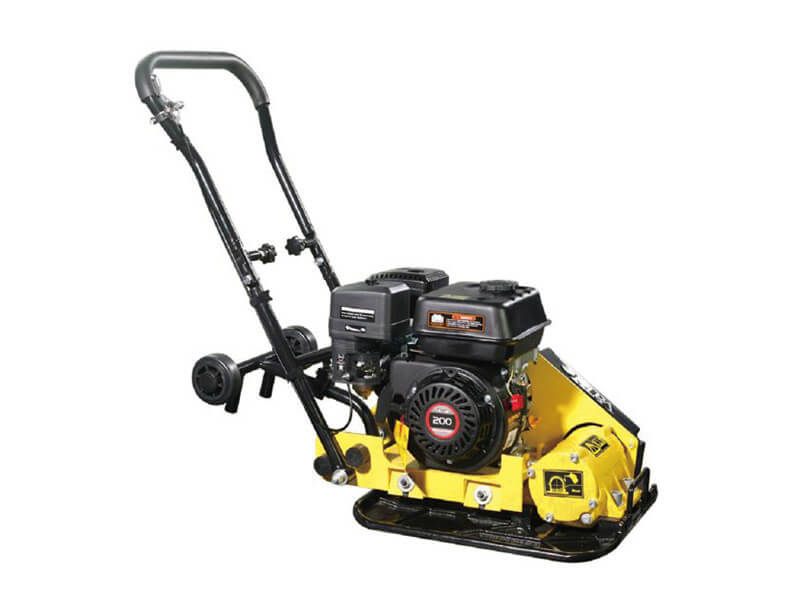
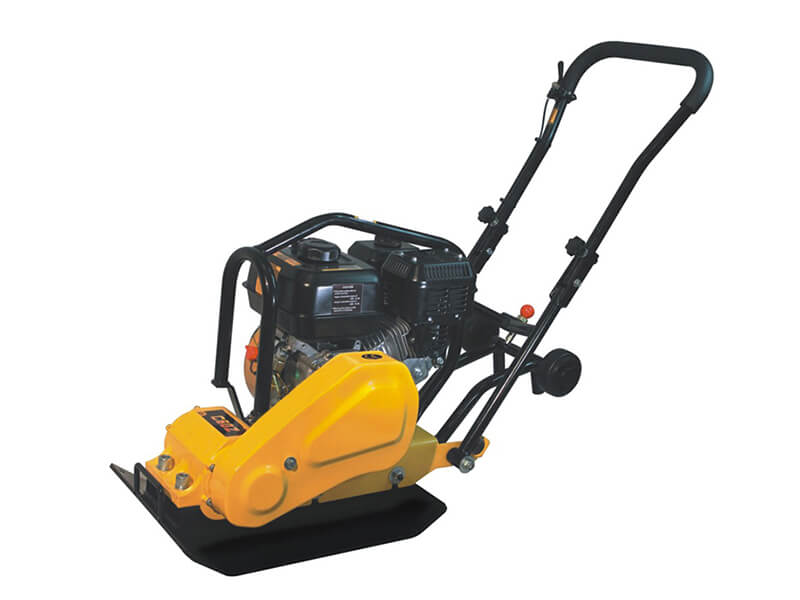
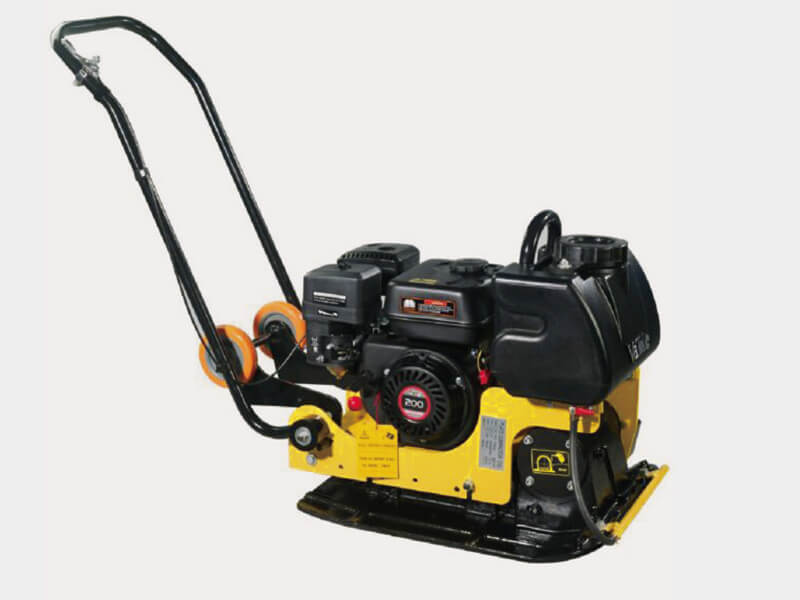
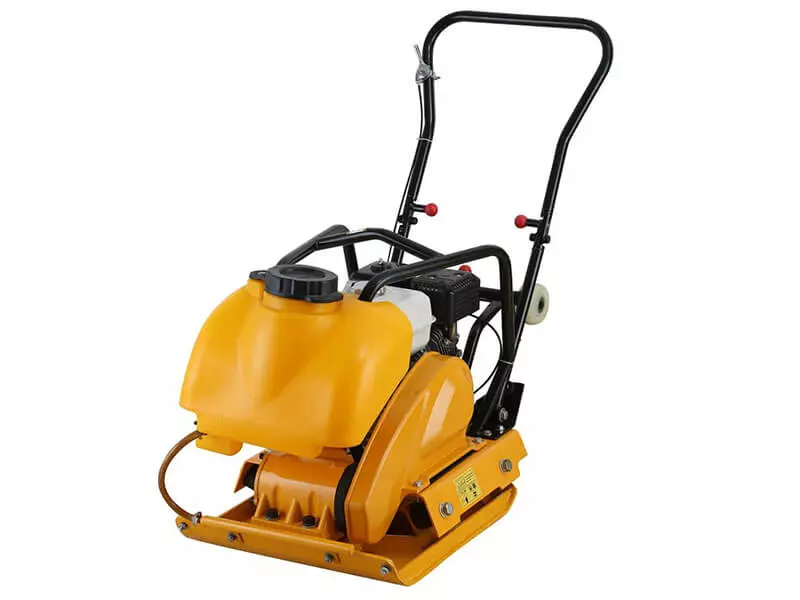
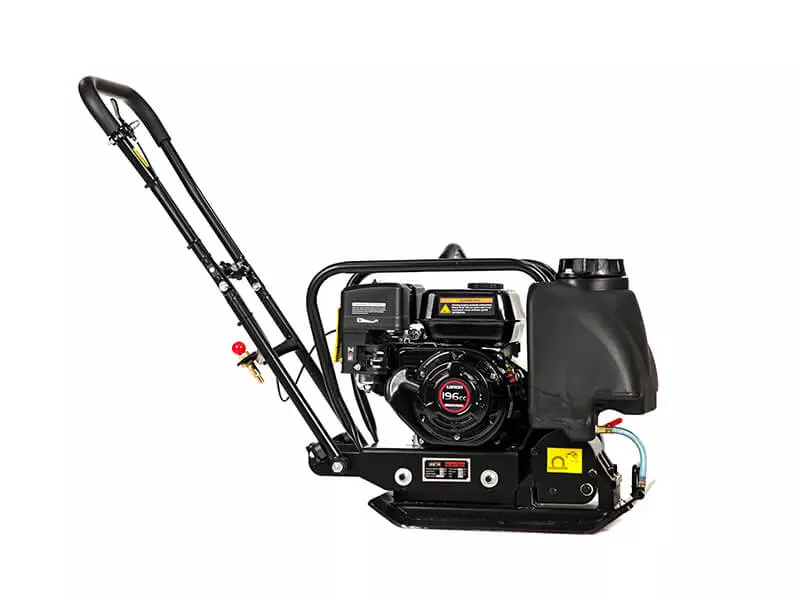
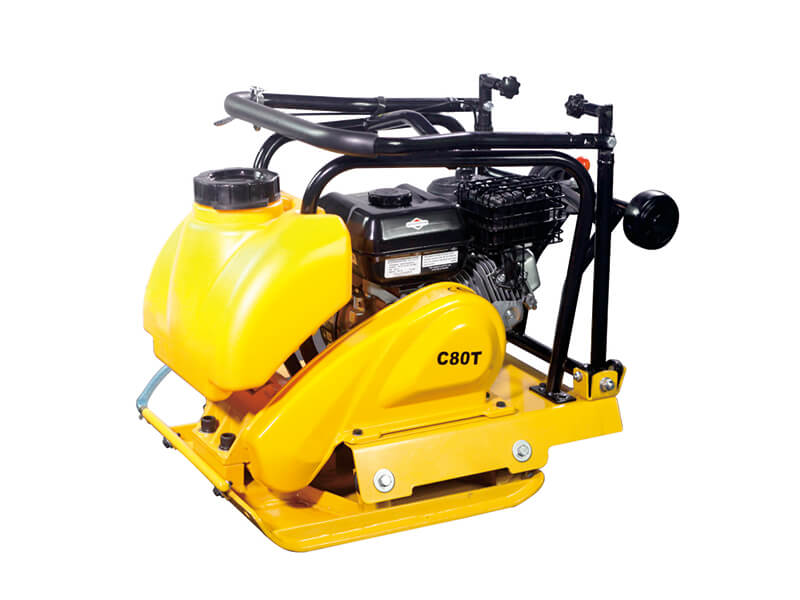
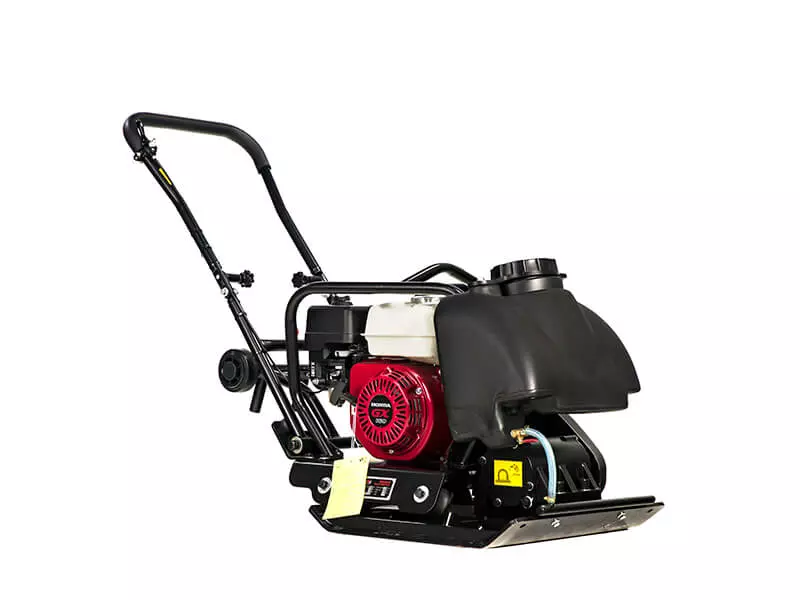
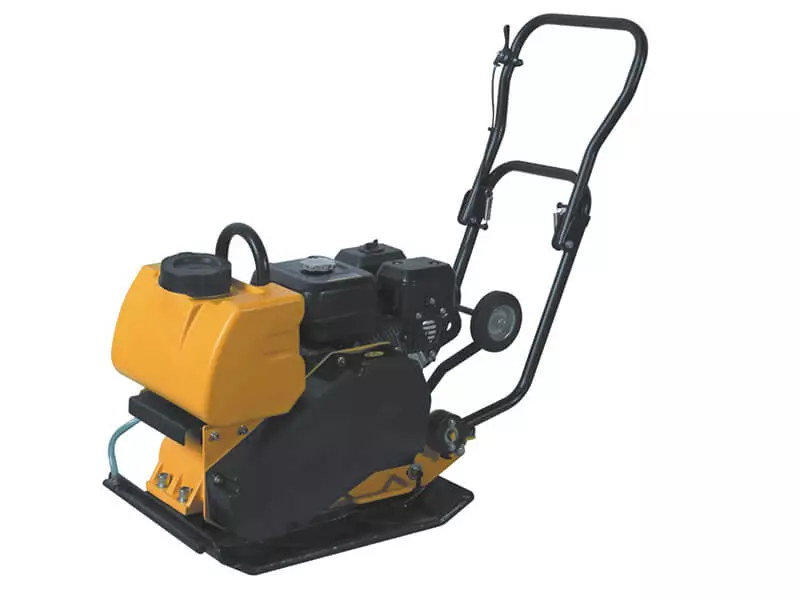
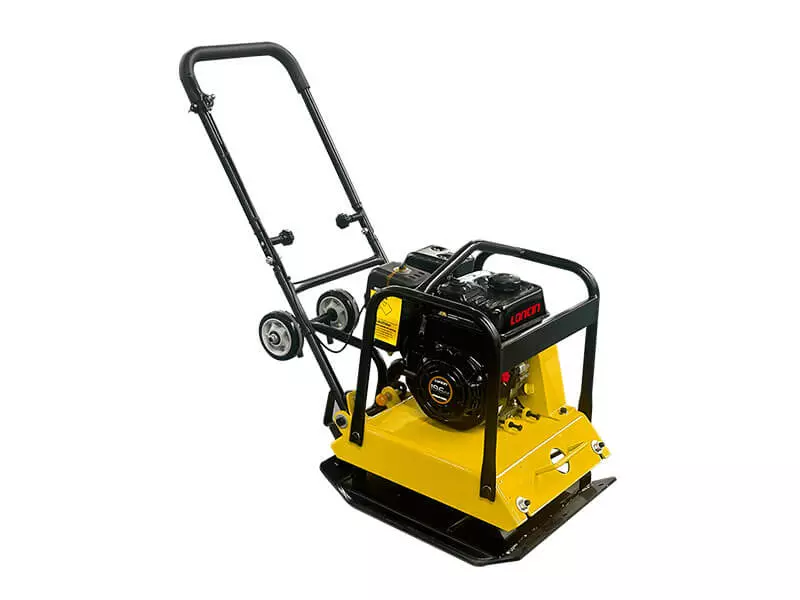
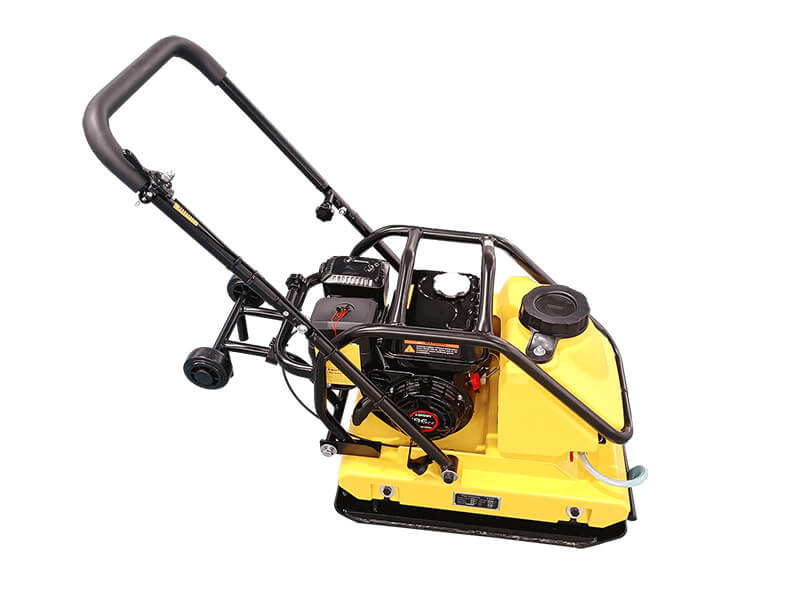
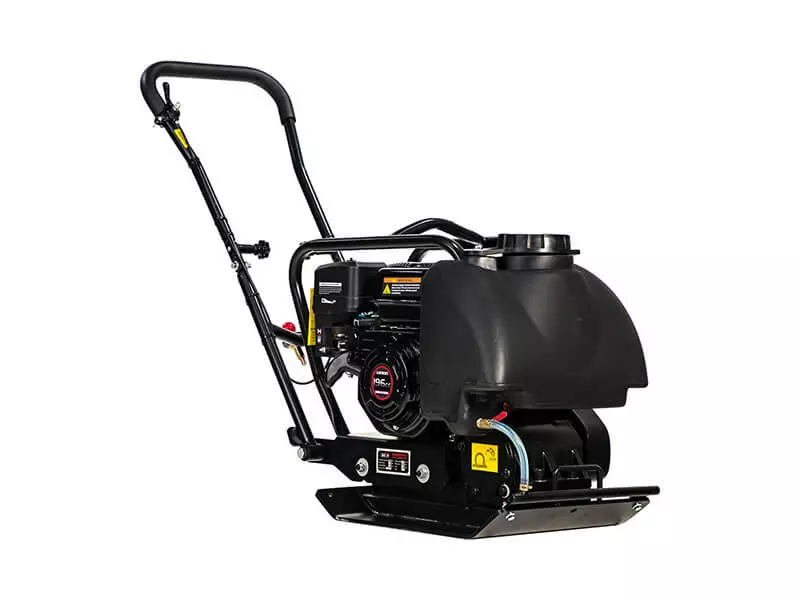
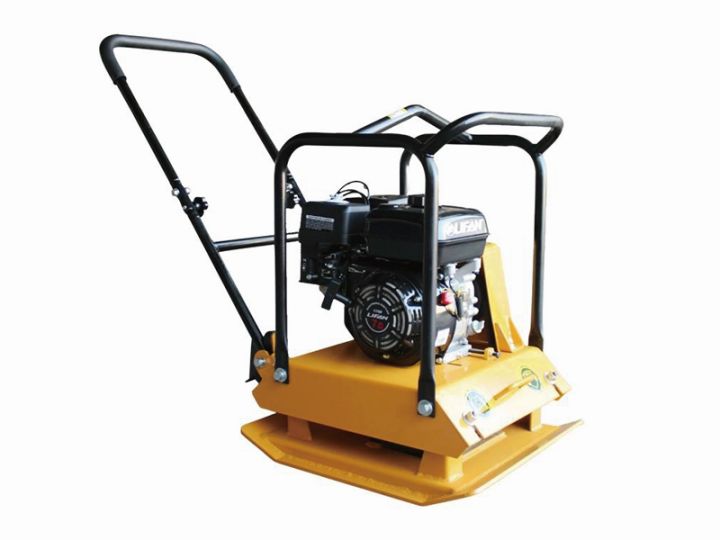
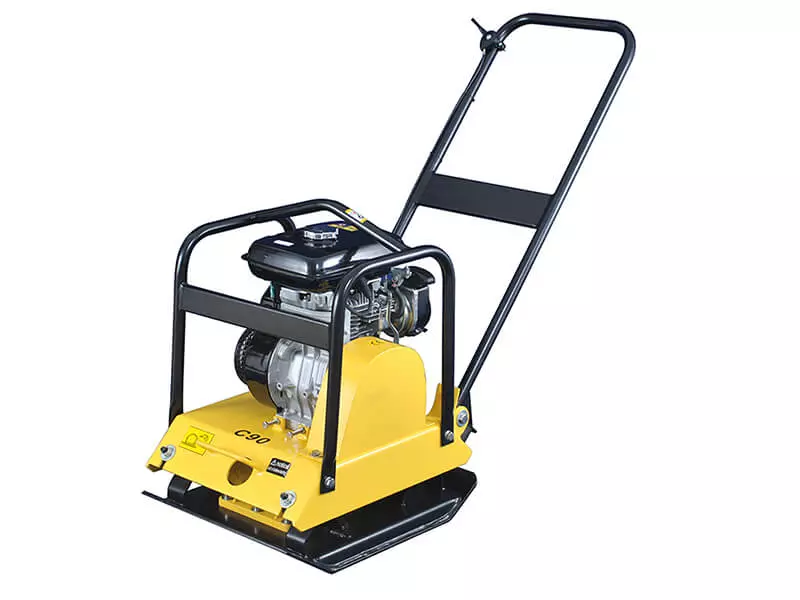
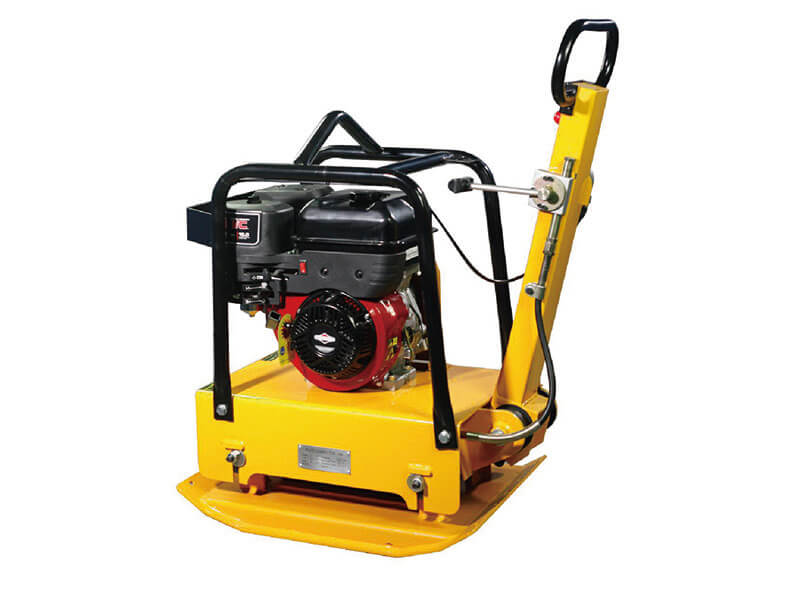
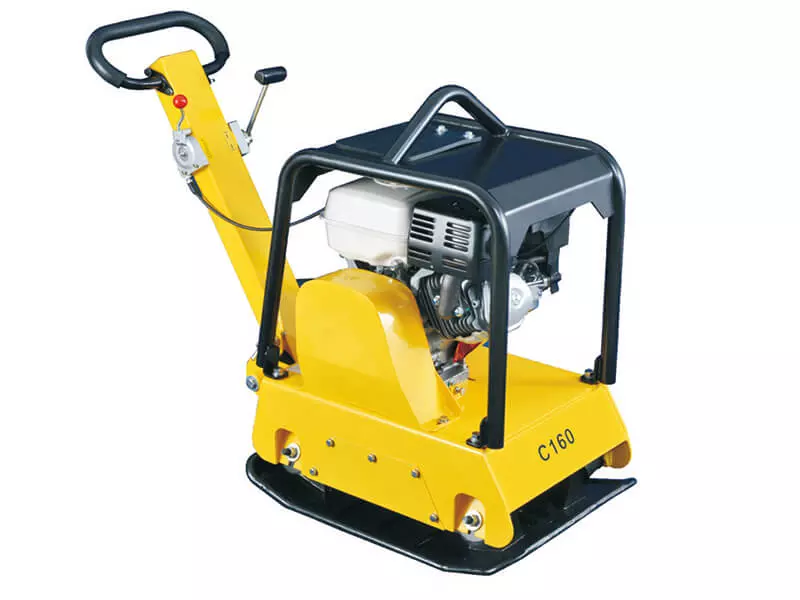
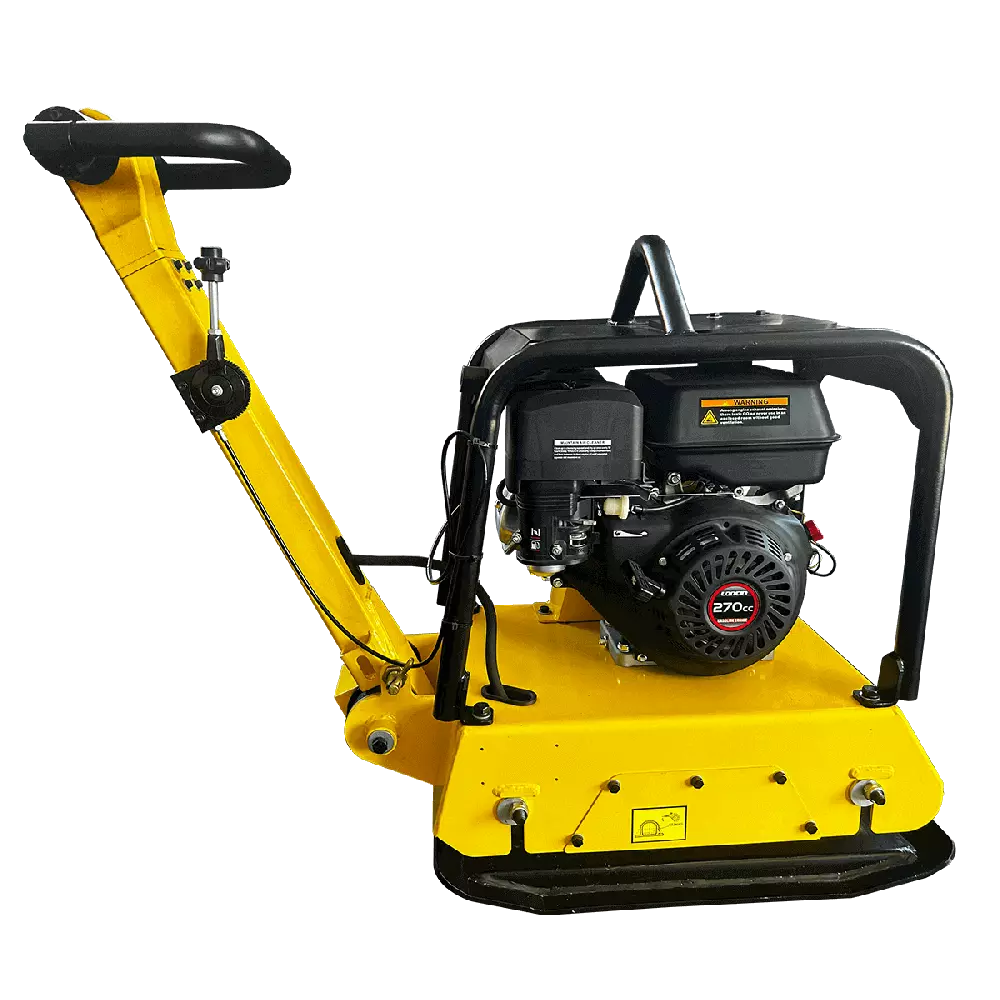
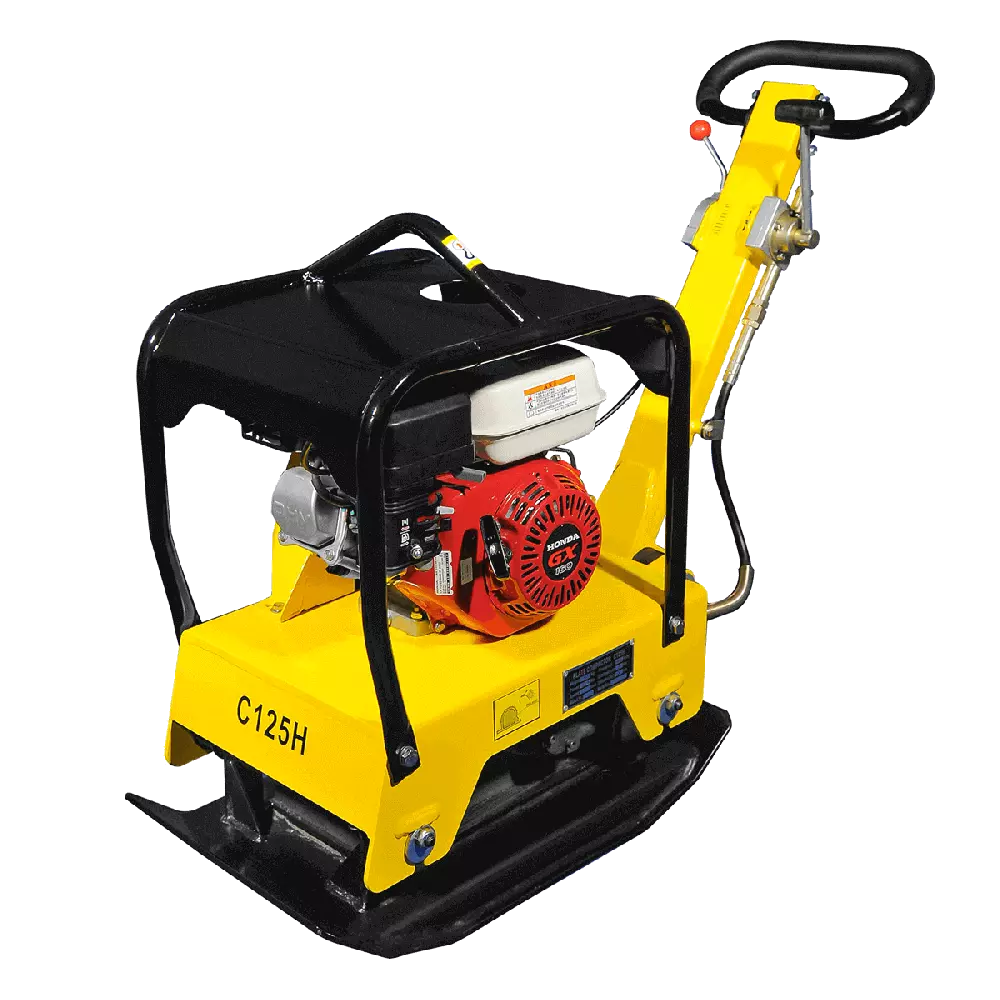
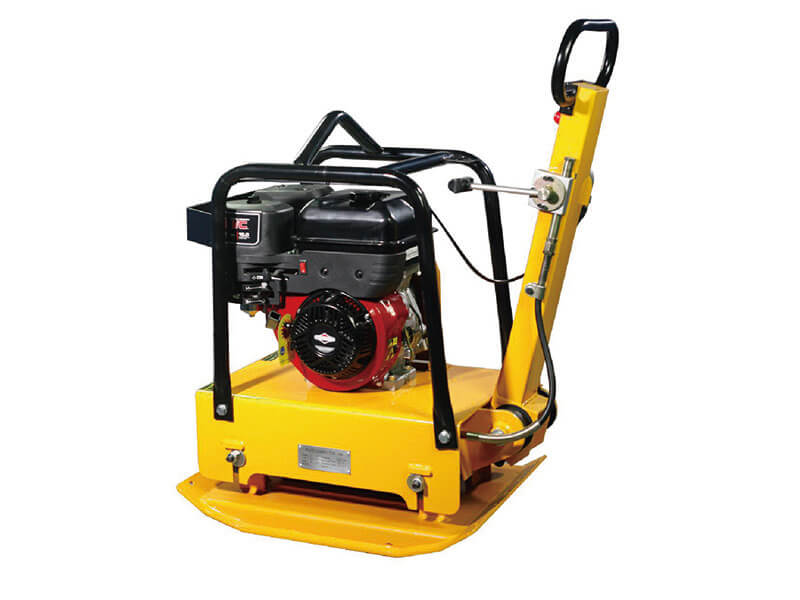
8 - 40 kN Zentrifugalkraft
Ob zur Bodenverdichtung für mehr Stabilität bei Bauprojekten oder für Pflasterarbeiten und die Instandhaltung von Straßen – Vibrationsplattenverdichter sind die perfekte Lösung für Ihre Bedürfnisse.
BISON, professioneller globaler Hersteller von Rüttelplatten.
Kontakt zu BISON| Modell | BS-C50L | BS-C60H/R | BS-C60TH/TR | BS-C65TH/TR | BS-C75H/R | BS-C80H/R | BS-C80TH/TR | BS-C85TH/TR | BS-C95TH/TR | BS-C140H/R |
| Motortyp | Loncion Benzinmotor 154F | Benzin, Honda GX160 Benzin, Robin EY20 |
Benzin, Honda GX160 Benzin, Robin EY20 |
Benzin, Honda GX160 Benzin, Robin EY20 |
Benzin, Honda GX160 Benzin, Robin EY20 |
Benzin, Honda GX160 Benzin, Robin EY20 |
Benzin, Honda GX160 Benzin, Robin EY20 |
Benzin, Honda GX160 Benzin, Robin EY20 |
Benzin, Honda GX160 Benzin, Robin EY20 |
Benzin, Honda GX270 Benzin, Robin EY28 |
| Leistung PS (kW) | 3(2.2) | 5,5 (4,0) 5,0 (3,7) |
5,5 (4,0) 5,0 (3,7) |
5,5 (4,0) 5,0 (3,7) |
5,5 (4,0) 5,0 (3,7) |
5,5 (4,0) 5,0 (3,7) |
5,5 (4,0) 5,0 (3,7) |
5,5 (4,0) 5,0 (3,7) |
5,5 (4,0) 5,0 (3,7) |
9,0 (6,6) 7,5 (5,5) |
| Gewicht kg | 52 | 65 | 70 | 70 | 65 | 85 | 85 | 82 | 95 | 120 |
| Zentrifugalkraft kN | 8,5 | 12 | 12 | 13 | 13 | 14 | 14 | 15 | 18 | 18 |
| Schwingungsfrequenz VPM | 5210 | 4900 | 4900 | 4900 | 5500 | 4930 | 4930 | 4930 | 4750 | 5150 |
| Maximale Reisegeschwindigkeit m/min | 15 | 20 | 20 | 20 | 21 | 21 | 21 | 20 | 20 | 20 |
| Tellergröße L B B CM | 43×30 | 51x37 | 51 x 37 | 53x37 | 52x37 | 52x50 | 52x50 | 62x42 | 62x45 | 68x46 |
| Modell | BS-C90H/R | BS-C100H/R | BS-C120H/R | BS-C125H/R | BS-C160SH/SR | BS-C3020H/R | BS-C3050H/R | BS-C3080D/H | BS-C330BD/H |
| Motortyp | Benzin Honda GX160 Benzin Robin EY20 |
Benzin Honda GX160 Benzin Robin EY20 |
Benzin Honda GX160 Benzin Robin EY20 |
Benzin Honda GX160 Benzin Robin EY20 |
Benzin Honda GX160 Benzin Robin EY20 |
Benzin Honda GX160 Benzin Robin EY20 |
Benzin Honda GX270 Benzin Robin EY28 |
Diesel 186FA(E) Benzin Honda GX390 |
Diesel 186FA(E) Benzin Honda GX390 |
| Leistung PS (kW) | 5,5 (4,0) 5,0 (3,7) |
5,5 (4,0) 5,0 (3,7) |
5,5 (4,0) 5,0 (3,7) |
5,5 (4,0) 5,0 (3,7) |
5,5 (4,0) 5,0 (3,7) |
5,5 (4,0) 5,0 (3,7) |
9,0 (6,6) 7,5 (5,5) |
10(7,3) 13(9,5) |
10(7,3) 13(9,5) |
| Gewicht kg | 90 | 90 | 98 | 130 | 145 | 135 | 170 | 250/230 | 320/300 |
| Zentrifugalkraft kN | 16 | 16 | 18 | 22 | 25 | 25 | 30 | 38 | 40 |
| Schwingungsfrequenz VPM | 4750 | 5480 | 5010 | 4600 | 4600 | 4050 | 4500 | 4810 | 4810 |
| Maximale Reisegeschwindigkeit m/min | 20 | 20 | 20 | 20 | 20 | 20 | 20 | 16 | 15 |
| Tellergröße L*B CM | 54x45 | 58x44 | 61x45 | 66x38 | 66x40 | 64x40 | 68x50 | 83x48 | 87x64 |
Ihre Zufriedenheit ist unser ständiges Bestreben, das größte Glück

„Unser bevorzugter Rüttelplattenverdichter von BISON ist der beste Rüttelplattenverdichter für leichte bis mittelschwere Bauprojekte. Dies liegt an der industriellen Raffinesse und der hervorragenden Leistung des von BISON hergestellten Rüttelplattenverdichters. Er liefert erstklassige Verdichtungswerte mit Verdichtungsraten, die die meisten Wettbewerber in dieser Preisklasse übertreffen und bis zu 5.500 VPM erreichen.“

- Pedro Ramirez
Manager
„BISON stellt mehrere hochwertige Flachbettverdichter her. Das Mittelklassemodell C60 ist preislich sehr wettbewerbsfähig, seine Leistung steht der teurerer Konkurrenzmodelle jedoch in nichts nach. Die perfekte Kombination aus Praktikabilität und Leistung bietet professionellen Bauunternehmen nicht nur langlebige Produkte, sondern sichert BISON auch einen guten Ruf am Markt.“

- Shivjeet Chauhan
CEO
„Die BISON-Rüttelplatte ist ein robustes Allzweckgerät, das zuverlässige Leistung und ein hervorragendes Preis-Leistungs-Verhältnis bietet. Ausgestattet mit klappbaren Griffen und integrierten Transporträdern spart sie Platz und reduziert Logistik- und Lagerkosten beim Transport und der Lagerung. Die Forward-Serie ist ideal für kleinere Betriebe und bietet ein sehr gutes Preis-Leistungs-Verhältnis.“

- Giau Trong Nguyen
Manager
Beim Bedienen einer Rüttelplatte sind Gehörschutz und Schutzbrille zu tragen. Handschuhe und festes Sicherheitsschuhwerk werden ebenfalls empfohlen. In gewerblichen Betrieben sind Sicherheitsschuhe mit Stahlkappen und Schutzhelme oft vorgeschrieben.
Wenn Sie eine Rüttelplatte im öffentlichen Raum einsetzen (z. B. für ein Parkplatzprojekt), sollten Sie sich unbedingt über die örtlichen Gesetze bezüglich Lärmschutz und anderer Umweltfaktoren informieren.
„Ja, selbstverständlich. Diese Rüttelplatte eignet sich für alle Arten von Bauprojekten und bietet einen stabilen Stand. Sie kann problemlos auch für vollständig trockenen Boden verwendet werden. Sollten Sie sie dennoch für feuchten Boden verwenden wollen, empfiehlt BISON, etwas feinen Kies unterzumischen, um die Bindung zu verbessern.“
Wie bei allen Geräten ist regelmäßige Wartung entscheidend für deren einwandfreien Betrieb. Die Wartungshäufigkeit hängt von der Art der Trommel und ihrem Verwendungszweck ab. Beispielsweise benötigt eine Maschine, die nur ein- oder zweimal pro Woche im Einsatz ist, möglicherweise weniger Wartung als eine Maschine, die täglich genutzt wird.
Die häufigsten Wartungsarbeiten betreffen Riemen und Lager. Diese Teile sollten je nach Nutzung alle ein bis zwei Jahre ausgetauscht werden. Riemen sind vor jedem Einsatz auf Risse und Verschleiß zu prüfen und bei entsprechenden Anzeichen sofort zu ersetzen. Auch die Lager sind vor jedem Einsatz auf Undichtigkeiten und Überdrehung zu kontrollieren. Bei Problemen mit diesen Teilen ist es unter Umständen notwendig, sie vor dem nächsten Einsatz der Rüttelplatte auszutauschen, um weitere Schäden an der Maschine zu vermeiden.
Ja, Sie können den Kies vor dem Verdichten anfeuchten. Bei einem sehr trockenen Sommer ist das Einweichen jedoch nicht nötig. Falls Sie Rasensprenger im Garten oder auf dem Rasen haben, schalten Sie diese für etwa 15 Minuten ein, um die Luftfeuchtigkeit zu erhöhen.
Es ist nicht unbedingt nötig, aber wenn es sehr trocken ist, sprühen Sie etwas Wasser darauf, damit der Staub besser bindet. Einweichen bringt nichts, da sich Wasser nicht so gut verdichten lässt wie Betonsand oder Gesteinsstaub.
Absolut. Sie sind besonders effektiv bei sogenannten körnigen Böden, die kleine Steine, Kies oder Sand enthalten. In solchen Böden gibt es nur wenige stabile Zuschlagstoffe, die sich verdichten lassen. Ein Flachbettverdichter ist dafür ideal. Der Walzendruck der Platte erhöht den Verdichtungsgrad und damit die Tragfähigkeit des Bodens.
Das Wichtigste am Untergrund ist, dass er eben und glatt ist. Dies fördert die Wasserableitung, die für eine stabile und langlebige Oberfläche unerlässlich ist.
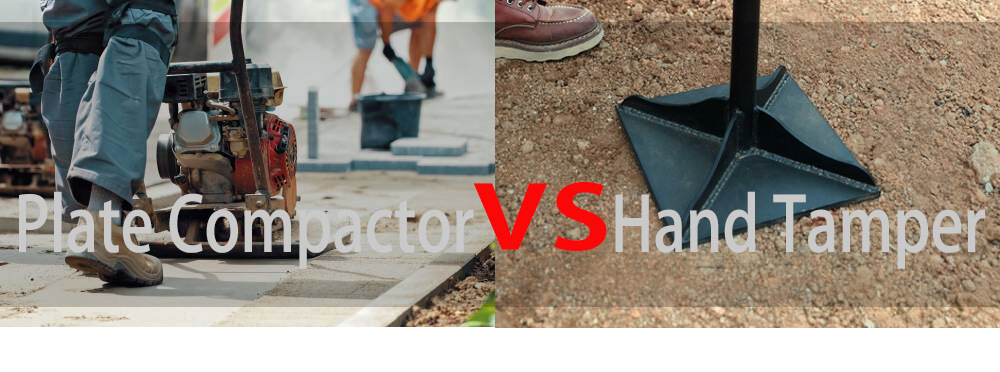
Sie können zwar eine Rasenwalze oder einen Handverdichter verwenden, aber damit lässt sich kaum der gleiche Verdichtungsgrad wie mit einer guten Rüttelplatte erreichen. Das wichtigste Merkmal einer Rüttelplatte ist der Anpressdruck auf die Rüttelplatten. Dieser lässt sich durch die Anzahl der Platten und deren Gewicht regulieren.
Die gebräuchlichste Methode zur Messung der Bodenverdichtung ist die Verwendung eines Osmometers. Das Gerät misst die Bodenhärte, indem es einen Messstab in den Boden drückt. Lässt sich der Stab leicht einführen, ist der Boden nicht verdichtet. Geht er gar nicht hinein, ist der Boden überverdichtet; sinkt er mehr als 7,5 cm tief ein, ist die Überverdichtung wahrscheinlich.
Welche Art von Rüttelplatte Sie für Ihre Rasenarbeiten verwenden sollten, hängt von der Größe Ihres Rasens ab. Bei einem kleinen Rasen können Sie eine kleinere Rüttelplatte mit einer Verdichtungstiefe von 60 mm oder 80 mm verwenden.
Für Rasenarbeiten benötigen Sie höchstwahrscheinlich eine 60 kg schwere BSION C60 oder eine 80 kg schwere BISON C80. Beide Rüttelplatten verfügen über die erforderliche Verdichtungstiefe. Sie sind zudem leicht zu transportieren und daher ideal für den Einsatz in industriellen Umgebungen geeignet.
Wenn Sie eine BSION C60 verwenden, stellen Sie unbedingt den erforderlichen Mindestdruck ein, da dieser für manche Böden zu niedrig sein kann, wenn er nicht korrekt eingestellt ist.
Für eine private Einfahrt eignet sich der 80 kg schwere BISON C80. Für professionelle Anwendungen ist der 100 kg schwere BISON C100 die bessere Wahl, da er vielseitiger einsetzbar ist.
Das Gewicht der Walzen ist wichtig, da es die maximale Arbeitstiefe bestimmt. Verdichtung ist der Prozess, bei dem der Boden verdichtet wird, wodurch der Wasserverlust reduziert und die Festigkeit erhöht wird.
In diesem Fall hängen Ihre Anforderungen von der Größe der Hausfundamentplatte und der erforderlichen Verdichtungstiefe ab. Wir empfehlen eine 160-kg-Verdichtungswalze.
Die BISON C60 ist eine kompakte und leistungsstarke Rüttelplatte für kleinere Landschaftsbauprojekte. Sie hat ein maximales Gewicht von 60 kg und eignet sich für die meisten Anwendungsbereiche.
Die Bodenart bestimmt, welche Rüttelplatte ich verwenden sollte. Sie müssen den Feuchtigkeitsgehalt des Bodens ermitteln. Auch die erforderliche Verdichtungstiefe ist zu berücksichtigen. Unsere Mitarbeiter helfen Ihnen gerne bei der Auswahl der passenden Walze für Ihre Bedürfnisse.
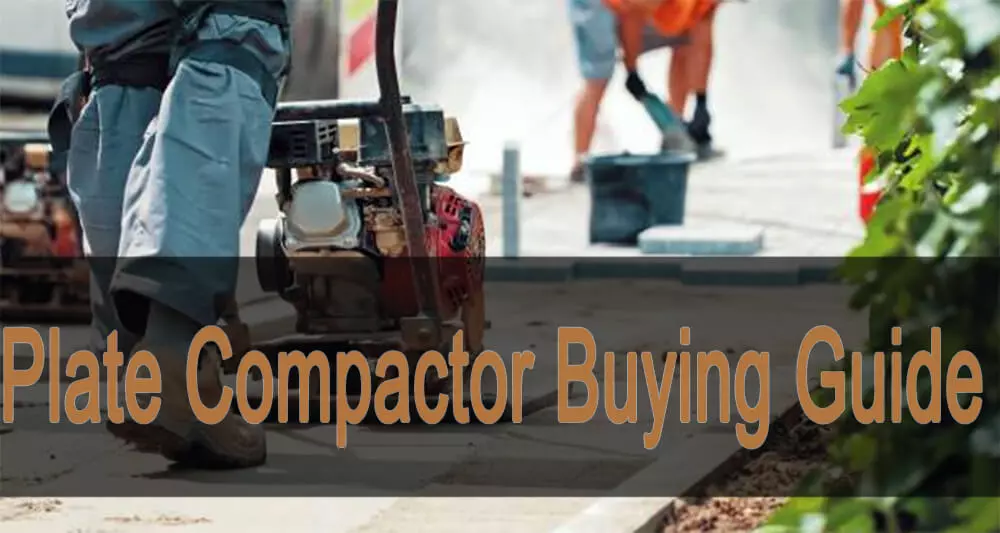
Ob zur Bodenverdichtung für mehr Stabilität bei Bauprojekten oder für Straßenbau und -instandhaltung – Vibrationsplattenverdichter sind die ideale Lösung. Bevor Sie sich auf die Suche nach dem passenden Verdichter machen, sollten Sie die grundlegenden Funktionen, die verschiedenen Typen und die Funktionsweise der Maschinen verstehen . Lesen Sie dazu unseren ausführlichen Kaufratgeber, um mehr über die verschiedenen Kaufkriterien zu erfahren und die richtige Entscheidung zu treffen.
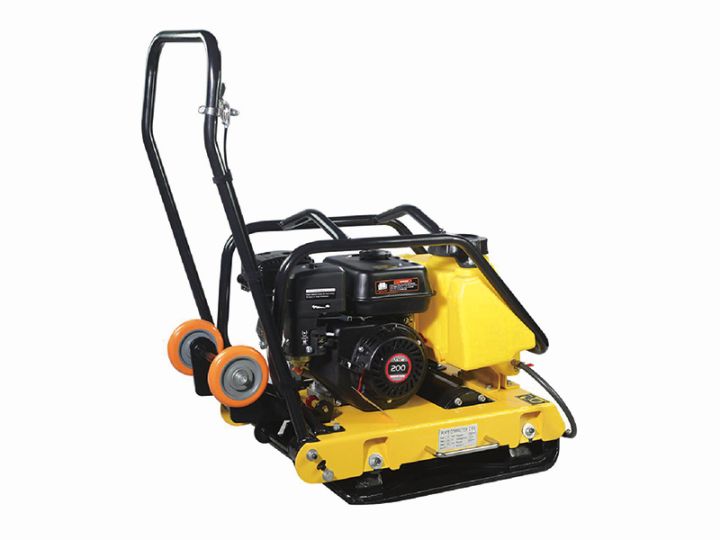
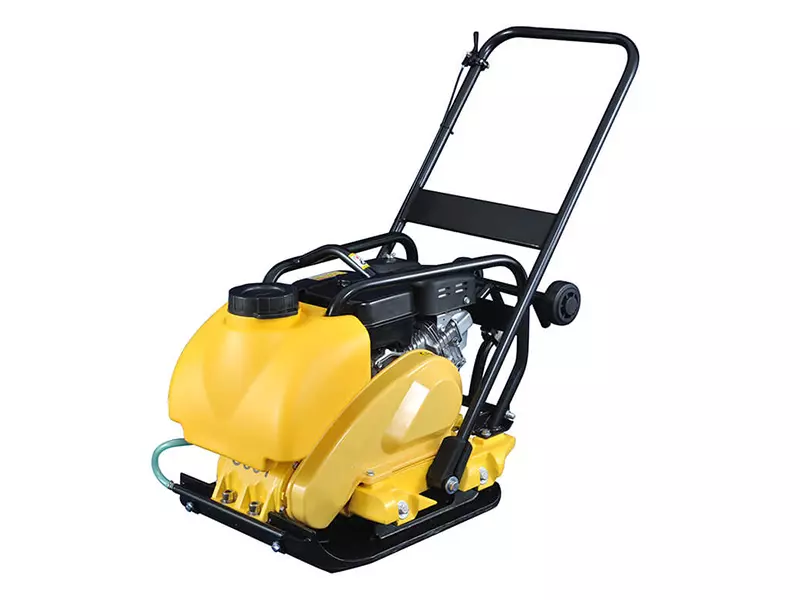
Eine Rüttelplatte oder Erdverdichtungsmaschine ist ein motorbetriebenes Gerät mit einer glatten, robusten Verdichtungsplatte, die an einem Vibrationsmechanismus befestigt ist. Diese motorbetriebenen Geräte werden zum Verdichten von Füllmaterial, teerfertigen Zuschlagstoffschichten, fertigem Asphalt und Beton sowie Pflastersteinen eingesetzt.
Die Verwendung einer Rüttelplatte bietet zahlreiche Vorteile, wie zum Beispiel:
Verbesserte Stabilität : Durch die ordnungsgemäße Verdichtung wird das Risiko zukünftiger Setzungen oder Verschiebungen minimiert und somit Risse und unebene Oberflächen verhindert.
Verbesserte Haltbarkeit : Durch die Verdichtung von Oberflächen wird deren Widerstandsfähigkeit erhöht und die Anfälligkeit für Beschädigungen verringert, wodurch die Lebensdauer Ihres Bauprojekts verlängert wird.
Verbesserte Tragfähigkeit : Verdichteter Boden erhöht die Belastbarkeit, was für stark beanspruchte Bereiche wie Einfahrten und Straßen von entscheidender Bedeutung ist.
Zeit- und Arbeitseffizienz : Rüttelplatten automatisieren den Verdichtungsprozess und machen ihn dadurch schneller und weniger arbeitsintensiv als manuelle Methoden.
Finanzielle Vorteile : Durch die ordnungsgemäße Verdichtung werden teure, langfristige Reparaturen und Instandhaltungsarbeiten minimiert, da mögliche strukturelle Probleme vermieden werden.
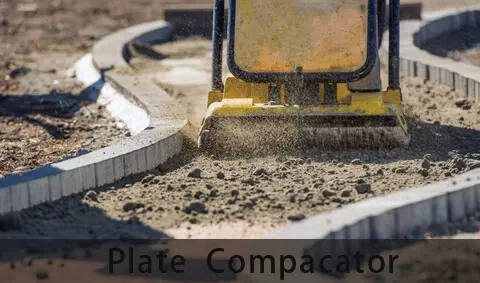
Whether it is a gardener or a construction site worker, if they want to build or maintain a new field or garden, the plate compactor can easily compact the soil or ground in any area. Why compact the soil? Through the compaction process, the loose soil can be transformed into a uniform, stable and void-free form, and the characteristics of the soil can be improved accordingly. It plays an important role in the construction of roads, canals, water conservancy, ground, railways, tunnels and open-pit mines. Also in structural, residential and industrial engineering, the correct implementation of compaction can form a durable and stable structure.
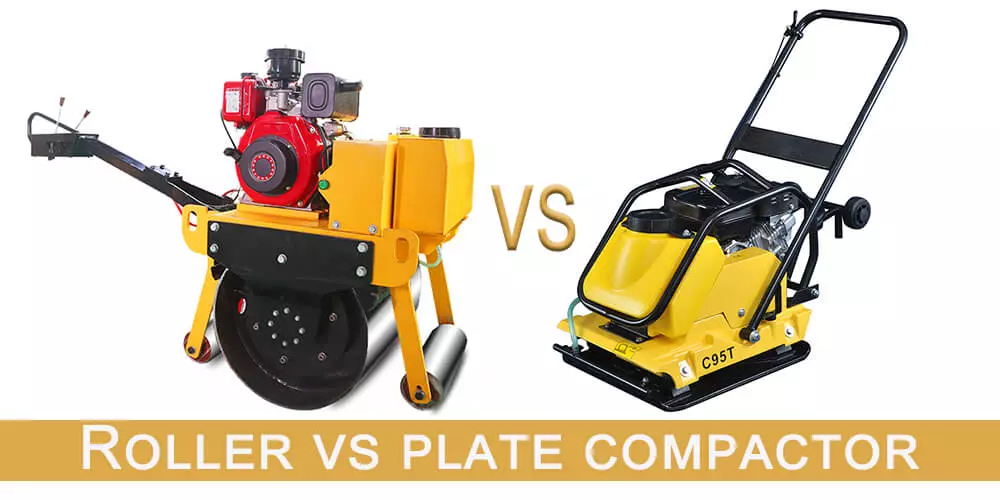
Using a roller on very large surfaces, in cramped or awkward spaces is not useful. It is in the situations that plate compactor comes into play, as it is compact and maneuverable.
The plate compactor uses a large plate (usually made of steel) to apply force on the ground to compact the soil. The plate vibrates rapidly, which encourages the dirt and gravel to move closer and eliminates air.
The design and operation of the machine is simple: its main feature is a thick steel bar with curved edges. The board is interchangeable and can be coated with rubber, polyurethane or a variety of other materials depending on the nature of the surface you are working on.
A vibrating mechanism connected to an electric or gasoline-powered motor makes up the rest of the machine. The device is steered and controlled via a handlebar on an articulated stand. Provides an emergency stop in the event of an accident.
Now that you understand how these machines work, let's take a look at what type of plate compactor you should be looking for to accommodate projects large and small.
When wholesale gasoline plate compactor, there are three main types of plate compactors: (1) forward vibrating plate compactors / single plate compactor (2) reversible vibrating plate compactors (3) high performance vibrating plate compactors. The one you choose depends on the size and type of work you want to do.
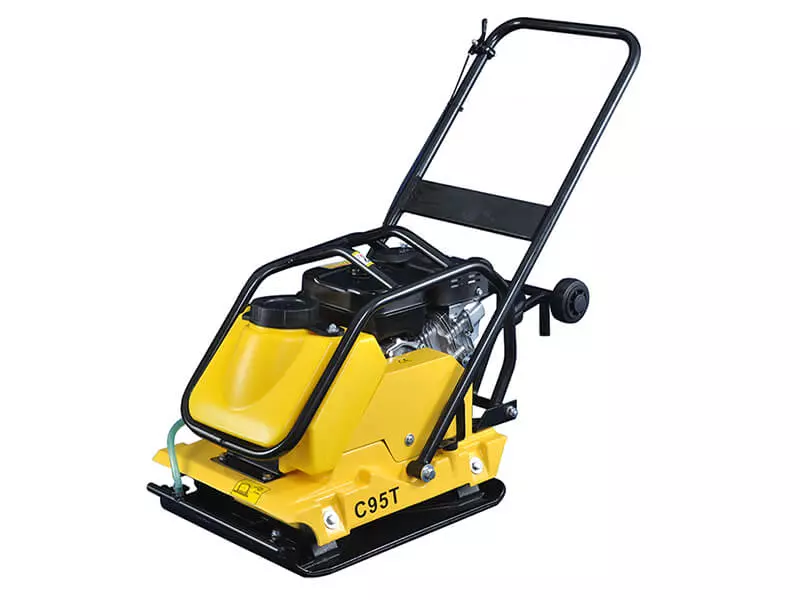
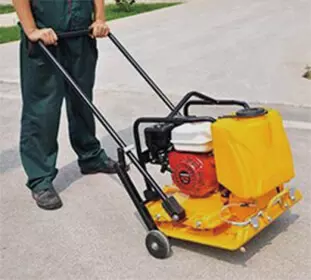
Forward plate compactor is also named vibration plate compactor, this is the most common plate compactor. only moves forward and cannot move backward, so the maneuverability is limited. It is mainly used to compact granular soils such as sand gravel, or asphalt in a small area.
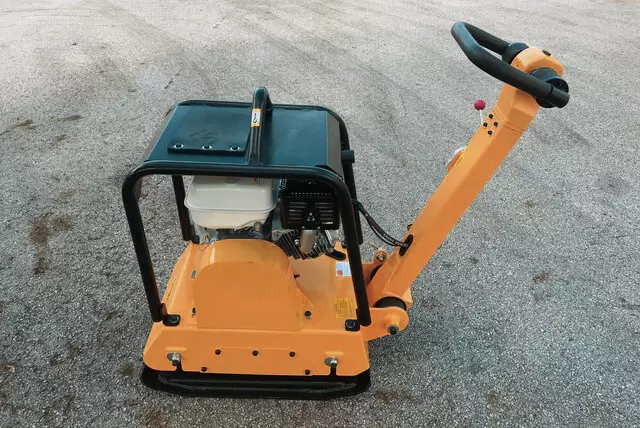
Reversible plate compactor moves forward and reverse, making it easier to cover large areas. They are usually more powerful than vibrating plate compactors, it is suitable for medium-sized projects such as driveways, parking lots, and landscaping.
High-performance vibratory plate compactor are heavy-duty compactors, these compactors apply the most force. Typically used for deeper depth or subbase compaction operations. And they can compact soil containing clay. (However, the jumping jack compactor may be more effective.)
If you want to perform medium-duty jobs without requiring too much power, then go with forward compactor. Reversible and high-performance vibratory plate compactors are a better choice when looking for heavy-duty commercial pieces.
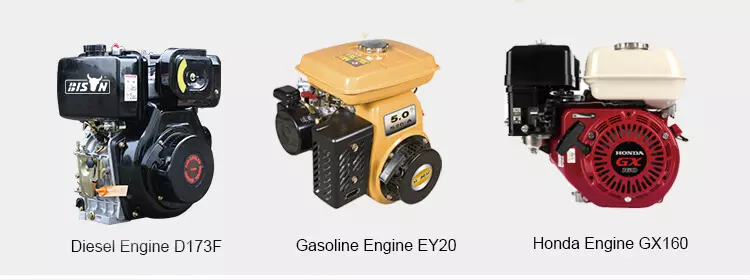
Fuel source: BISON vibratory plate compactors are most often powered by diesel or gasoline engine, but there are some electric options available. Consider which fuels are readily available.
honda plate compactor, robin plate compactor...
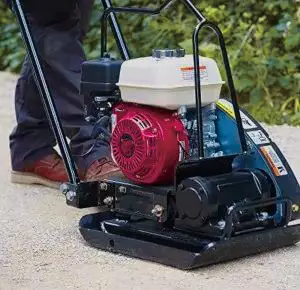
BISON is a plate compactor factory in China, and we provide a variety of plate compactors. Each type has its own unique features and benefits, and you need to know what to look for when choosing a model that suits your user's needs. So here are some factors to consider before investing in asphalt plate compactor. Let’s take a closer look at the factors to consider when importing plate compactor.
Key criteria:
Compaction force in kN (kilonewtons)
Maximum speed in m/min
Vibration force m/s²
Compaction depth cm
Noise level in decibels (dB)
Maximum tilt angle (for sloping ground)
Engine power
Engine power is a key component of plate, properly compressing the material on the job site, making it more compact. Most of these compactors are pneumatic, where their small engine power is measured in horsepower (HP). Models with higher HP will provide users with better performance.
Engine capacity
Engine capacity is often seen as a measure of slab compactor performance, and BISON plate compactors with a larger engine capacity of 100 CC provide better performance than models with a 60 CC gasoline engine. Larger capacity gasoline engines result in high fuel consumption, reducing the range of plate compactor. Therefore, you need to choose plate compactor that strikes a balance between fuel efficiency and performance.
Centrifugal force refers to the amount of force that a plate compactor can exert. Generally speaking, the higher the centrifugal force, the higher the efficiency of plate compactor. However, choosing the most efficient option to access only high power is not a good thing. Unless you're doing heavy lifting, models that typically weigh 3000 - 4000 lbs are fine.
The eccentric frequency represents the number of times the compactor hits the surface in one minute. It is in VPM. The lower eccentricity frequency is best for compacting clayey soils. For granular and bituminous materials, a compactor with a higher vpm is recommended. If you plan to handle many different types of soil, look for a model with adjustable frequency.
plate material
Plate compactors consist of cast iron or steel plates. Both materials are equally good, and the steel plate tends to be lighter, which makes the equipment easier to handle. But iron provides more durability, compaction and sturdiness.
plate size/plate width
Different plate sizes are available for different plate compactors, where larger plates will allow the user to cover a wide area at once. Available plate sizes for these compactors range from 15" to 25". The small board is ideal for tight spaces and smaller tasks, while the large plate is suitable for more demanding tasks, where it must cover a wide area to get it done quickly and efficiently. The wider the plate, the more ground you can cover, but it is also harder to manipulate.
plate shape
The shape of the plate affects the degree of compaction. Look for a curved board, as it makes turning easier and prevents gouging. How to tell if the board is bent? Check the plate from center to edge; it should bend slightly upwards.
BISON plate compactor is made of high-strength steel, and the edge of the bottom plate is curved to ensure the stability of the work.
Flat compactors can vibrate, which can be uncomfortable for the operator. Choose a handle with an anti-vibration handle to reduce the burden of operating it. BISON's uniquely designed folding handle saves storage space. The humanized shock-proof pad design greatly reduces the vibration of the handle and increases the comfort of operation.
At wholesale it is also important to know how much fuel plate compactor will consume while running, compared to performance and time. Therefore, choosing a model with low fuel consumption can help users save a lot of fuel costs.
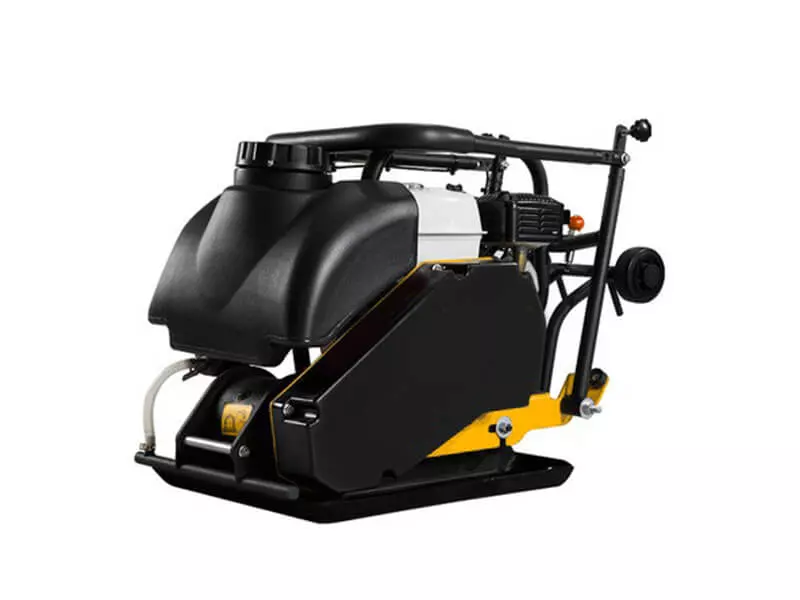
Water tank : Many plate compactors can be equipped with a water tank. The tank will create a barrier between the hot asphalt and the cold compacted slab. A slab compactor without any water tank can get the slab stuck on hot asphalt. If you need to work on asphalt, choose a vibratory plate compactor from BISON that can be equipped with a water tank.
Optional integrated moving wheels make machine easier to transport.
Can be equipped with urethane rubber gasket for paving.
Some vibratory plate compactors are large and heavy that require a lot of effort to move. Look for plate compactor s with handles and/or lifting eyes for easy transport. While other machines will include folding wheels. Before purchasing, please consider how to transport the device.
Choose a plate compactor made with high-quality materials that can withstand constant use and harsh conditions. The ease of regular maintenance is also critical to life of plate compactor.
Brands with a good reputation for reliability and positive customer reviews can often offer better support and product longevity. For example, BISON plate compactors.
Plate compactor doesn't have to be difficult to use, but a few tips will help ensure safety and help produce the desired results.
First, learn how plate compactor operates and how to quickly stop it if necessary.
Wear ear protection, safety glasses or goggles, gloves and sturdy boots when using.
Hold firmly when starting the machine. If feasible, start on a level surface to prevent it from drifting. Try a small test area to get used to the handling.
Start at a corner and go straight up and down. Then go back to the starting point and work back and forth in an area that is 90 degrees from the original direction.
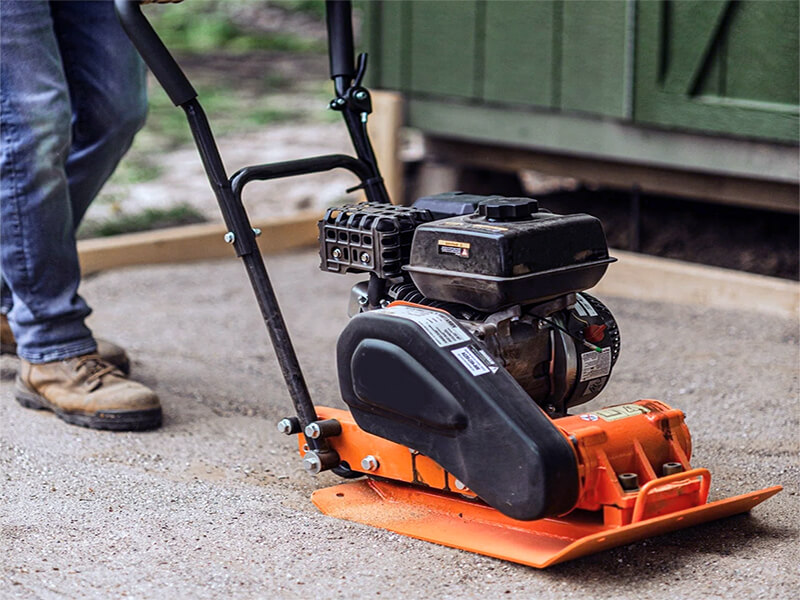
Constant vibration, harder and more yielding surface materials, dusty environments, rain, muddy conditions... plate compactors can be subject to some extreme wear and tear. Therefore, it is best to regularly check the condition of the bottom of plate compactor and clean it after each use.
Air filters on petrol models can easily clog and should be replaced as soon as they are found.
Plate compactors with gasoline engines actually require all kinds of extra maintenance (spark plugs, proper oil, etc.).
The general condition of the machine should be checked before each use (check for loose bolts, etc.).
As you can see, there are many factors to consider with plate compactor. Finding the best plate compactor suppliers doesn't happen overnight.
BISON can help you easily complete the import of plate compactors!
If you're interested in learning more about best BISON plate compactor, or just have some questions, be sure to contact our team. In addition to providing information on plate rammers, we also provide information on floor saw and jumping jack rammers.
table of contents